After 12 months of posts I've decided to pack in blogging on Leading A Guild as hinted at in the Introduction. I've had a tonne of support from fellow writers and guild leaders, alongside a load of wikis plugging the site. Thank you everyone and you're always free to e-mail me if you'd like to get in touch.
Furthermore, specific plugs go to The Pink Pigtail Inn, Leet Games Blog and Greedy Goblin who have all helped me directly in one form or another. Also check out both the recommended links on the sidebar and also don't be afraid to click on the ads (>>).
Peace to all those people I sourced pictures from!
Finally, remember that simply by reading Leading A Guild you're on the way to success. Taking time out to learn management theory and then putting it into practice is the greatest way to improve. The blog will remain around so you're welcome to come back and review at any time.
Pierre Goldbloom
Showing posts with label attachments. Show all posts
Showing posts with label attachments. Show all posts
Saturday, 2 January 2010

Friday, 1 January 2010
Being The Guild Master
I hope you all had a very merry Christmas and a happy New Year. This is the penultimate post on Leading A Guild and I aim to articulate everything required of a guild's leader in it. This is something that's taken months to thoroughly cover, but it's always worth having a decent recap.
You
Let's start with the basics. What are you like? Mature? Cool? Calm? Confident? Great! Even if you lack one or more of these attributes, there's always room to change. What's more important is that you remain smooth and in control - especially when managing some sort of strenuous group activity. If you have a tendency to lose your rag, then don't even consider guild leading. You may be the most natural 'alpha' in the world, but if you turn hysterical at the slightest hint of a stressful situation then no one is going to put up with that.
Officers
Be confident in all the decisions you make, but don't be afraid to talk through policy changes with your officers. Surround yourself with individuals who you trust and tolerate. Remember my post on being either an administrator or leader and appoint someone to the secondary role (depending on which you think you are). Bare in mind that officers are there to take some of the weight off your shoulders and can raise morale solely on their own if they do their job/s properly. However, ambitious folks may undermine your authority if you don't live up to expectations. Keep tabs on their activities but do so moderately. Don't be an authoritarian arsehole because officers are supposed to be people you trust.

Members
Two things are important here: The peoples' respect for you and their respect for each other. Respect is acquired naturally over time by working together successfully as a team and fulfilling one's role to the fullest. Building attachments is important and means guildies will stick around even when the going gets tough. You should never abuse the network of friendship that forms between comrades. This is the ultimate faux pas and I assure you a bad reputation will rightly follow. Just do stuff with your little gang. Raid an enemy capital. Hi-jack a zeppelin. Hold a circle jerk. I don't care what you do, so long as it architects relationships between the people around you.

And Finally...
Enjoy yourself and make sure everyone else is enjoying themselves. I'll never contest that it takes a tonne of hard work to get somewhere, but if you are passionate for what you're doing then it'll reflect positively on the guild's standing.
To summarise:
You
Let's start with the basics. What are you like? Mature? Cool? Calm? Confident? Great! Even if you lack one or more of these attributes, there's always room to change. What's more important is that you remain smooth and in control - especially when managing some sort of strenuous group activity. If you have a tendency to lose your rag, then don't even consider guild leading. You may be the most natural 'alpha' in the world, but if you turn hysterical at the slightest hint of a stressful situation then no one is going to put up with that.
Officers
Be confident in all the decisions you make, but don't be afraid to talk through policy changes with your officers. Surround yourself with individuals who you trust and tolerate. Remember my post on being either an administrator or leader and appoint someone to the secondary role (depending on which you think you are). Bare in mind that officers are there to take some of the weight off your shoulders and can raise morale solely on their own if they do their job/s properly. However, ambitious folks may undermine your authority if you don't live up to expectations. Keep tabs on their activities but do so moderately. Don't be an authoritarian arsehole because officers are supposed to be people you trust.

Members
Two things are important here: The peoples' respect for you and their respect for each other. Respect is acquired naturally over time by working together successfully as a team and fulfilling one's role to the fullest. Building attachments is important and means guildies will stick around even when the going gets tough. You should never abuse the network of friendship that forms between comrades. This is the ultimate faux pas and I assure you a bad reputation will rightly follow. Just do stuff with your little gang. Raid an enemy capital. Hi-jack a zeppelin. Hold a circle jerk. I don't care what you do, so long as it architects relationships between the people around you.

And Finally...
Enjoy yourself and make sure everyone else is enjoying themselves. I'll never contest that it takes a tonne of hard work to get somewhere, but if you are passionate for what you're doing then it'll reflect positively on the guild's standing.
To summarise:
Read the rest of the bloody blog!
Tuesday, 1 December 2009
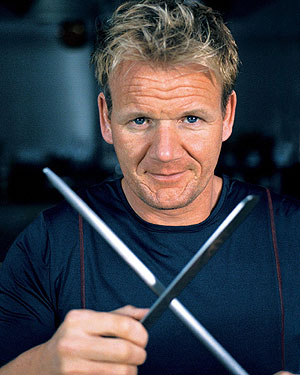
Be George Clooney, Not Gordon Ramsay
George Clooney and Gordon Ramsay are polar opposites of one another. The former is considered a cool, calm and collected personality who is in full control of his life - George's affairs are always in order. Mr Ramsay, on the other hand, is often perceived to be an irate megalomaniac bent on keeping his employees in line by shouting at them. A lot. These two celebrities are a massive success at what they both do, despite having very different methods at going about their business.

Throughout Leading A Guild's (I'm never sure if I should italicise that or not) short life I've always encouraged you all to be like old George. No, don't star in a hit film where you play a gangster and round up a group to carry out a heist. I mean you should act like he presents himself: This means you should remain rational and focused at all times. Be emotionally impartial, but not apathetic. When you maintain this relaxed state you'll find your members follow suit. That's called setting an example and ensures you don't end up on YouTube in the form of a raging raid manager who picked Ventrillo as his or her platform to go crackers on.
The concept behind performing in this way is a simple one: Shouting at other players may get them to perform a little more effectively, but it'll cause them to disrespect you. Be thought of as a smooth-talking alpha that shapes the world around him as you please - a real-life Chuck Bass, if you will.
After all, who likes the little man who loses his rag at the drop of a hat? Fill in your answer here: _____________________________ (10 marks)
...

Done?
If you answered 'no one', then you're incorrect.
The right answer is 'idiots'. Like attracts like so obviously hot-headed, moron tyrants lead small-minded, immature brats into battle. You may naturally be a very laid-back person but constantly find yourself screaming at raiders to do better because they don't obey you unless your voice is above 90 decibels. Then they shout back and, before you know it, there's a whole hunk of drama to deal with. Months pass and you're finally seen crying on the cobbled streets of Stormwind - battered, bruised and, if you've taken some of my advice too far, broke.
This isn't your fault.
Alright, it partially is because everything that happens to the guild is your direct responsibility. However, there's always a chance you'll accidentally recruit a bunch of bloody arseholes that don't reflect on your true leadership style at all. You'll think shouting at these problematic tossers will actually work. You'll be wrong. The only true solution to these living, breathing, walking, screaming causes of drama and issues is to boot them out. The chances are you won't have the opportunity to have these troublesome individuals to repent for their behaviour and realise the error of their ways. Eradicating these folks from the guild will help you and your members retain their focus and destroy any negativity.
I think Ramsay's always crazy because he's surrounded by incompetents during every day of his working life. That's why he's doomed to look like a raging fool forever; because his colleagues are idiots trying to work in a high-pressure environment. Don't be tempted into being Gordon.

Just keep it cool, mon. Like Clooney.
To summarise:

Throughout Leading A Guild's (I'm never sure if I should italicise that or not) short life I've always encouraged you all to be like old George. No, don't star in a hit film where you play a gangster and round up a group to carry out a heist. I mean you should act like he presents himself: This means you should remain rational and focused at all times. Be emotionally impartial, but not apathetic. When you maintain this relaxed state you'll find your members follow suit. That's called setting an example and ensures you don't end up on YouTube in the form of a raging raid manager who picked Ventrillo as his or her platform to go crackers on.
The concept behind performing in this way is a simple one: Shouting at other players may get them to perform a little more effectively, but it'll cause them to disrespect you. Be thought of as a smooth-talking alpha that shapes the world around him as you please - a real-life Chuck Bass, if you will.
After all, who likes the little man who loses his rag at the drop of a hat? Fill in your answer here: _____________________________ (10 marks)
...

Done?
If you answered 'no one', then you're incorrect.
The right answer is 'idiots'. Like attracts like so obviously hot-headed, moron tyrants lead small-minded, immature brats into battle. You may naturally be a very laid-back person but constantly find yourself screaming at raiders to do better because they don't obey you unless your voice is above 90 decibels. Then they shout back and, before you know it, there's a whole hunk of drama to deal with. Months pass and you're finally seen crying on the cobbled streets of Stormwind - battered, bruised and, if you've taken some of my advice too far, broke.
This isn't your fault.
Alright, it partially is because everything that happens to the guild is your direct responsibility. However, there's always a chance you'll accidentally recruit a bunch of bloody arseholes that don't reflect on your true leadership style at all. You'll think shouting at these problematic tossers will actually work. You'll be wrong. The only true solution to these living, breathing, walking, screaming causes of drama and issues is to boot them out. The chances are you won't have the opportunity to have these troublesome individuals to repent for their behaviour and realise the error of their ways. Eradicating these folks from the guild will help you and your members retain their focus and destroy any negativity.
I think Ramsay's always crazy because he's surrounded by incompetents during every day of his working life. That's why he's doomed to look like a raging fool forever; because his colleagues are idiots trying to work in a high-pressure environment. Don't be tempted into being Gordon.

Just keep it cool, mon. Like Clooney.
To summarise:
Go watch Men Who Stare At Goats or something.
Sunday, 1 November 2009
Alliances
It's always great to be part of something big. There's nothing better than banding together with a bunch of other fellows to accomplish a common goal. Beating down bosses side-by-side with your guildies is certainly an exhilarating experience that's almost without equal. There's a reason why players voluntarily put themselves through blood, sweat and tears every raid night and it doesn't just come down to 'phat loot'. The feeling of comradeship that most successful players gain from running instances is the nearest to true friendship many MMOers will feel during their whole young adult life.

Unfortunately there are some players out there that have never come close to that level of bliss in their entire raiding career. In 99.9% of cases, this is due to them being holed up in guilds that don't have the capacity to raid. This may be down to several things, ranging from peeps not possessing the right gear, to members that are willing to raid simply flaking out. I've iterated many solutions to these issues before, whether it be letting folks acquire equipment independently to growing inner-guild relationships. However, it could take a long time for these factors to come together. Your guild may not be up to raiding standard for months.
Alliances offer a quick work-around and allow you to potentially begin raiding immediately. Even if you're a high-performance organisation already, alliances permit you to get 4-5 of your best players and combine them with the greatest from 2-3 other guilds. This allows all of you to try out content that none of you may have never seen otherwise. Hopefully you can understand the importance of good alliances - no matter where your raid guild falls on the hierarchy. They're ridiculously easy to facilitate and sustain so long as everyone enjoys themselves.

Starting an alliance is not hard. Begin by identifying guilds that are in a similar position to your own. Providing you're not an arsehole, you'll already have a good pool of friends to pick from. Even though that really well-geared dude who you hang around with in Dalaran's sewers isn't a guild leader, there's a good chance he'll introduce you to his friend who is. Don't be afraid to network and ask for introductions. Once you know some powerful people well enough, you can go ahead and send them an in-game letter. This just needs to be a 50-word proposal about the benefits of an alliance and how it would work. Ask if they're interested and then wait. So long as you articulate your argument appropriately and haven't gone after the best guild on the server, you'll find people will take a risk on an alliance. Then you only need to create a separate chat channel and decide on the alliance's terms. If you've run raids before, then most of the concepts will remain the same. There's just an extra element of coordinating your timetable to theirs and starting up a joint TeamSpeak. That's all you really need.

Drama will probably be the most difficult thing you'll have to deal with. Always try to remain emotionally detached from anything that could upset the links between your guilds. Don't be afraid to sit down with a fellow leader and work things out on an executive level. Don't dish out discipline on their troops without talking it through with their superiors first. They might not read LAG and may be very attached to the drama. Keep yourself dissociated and handle disruptions professionally. Alliances can provide guilds with a huge step up onto the raiding ladder. Don't let egotistical individuals get in the way of that. Isolate problem-causing people and deal with them or keep them away from activities involving allies.

Unfortunately there are some players out there that have never come close to that level of bliss in their entire raiding career. In 99.9% of cases, this is due to them being holed up in guilds that don't have the capacity to raid. This may be down to several things, ranging from peeps not possessing the right gear, to members that are willing to raid simply flaking out. I've iterated many solutions to these issues before, whether it be letting folks acquire equipment independently to growing inner-guild relationships. However, it could take a long time for these factors to come together. Your guild may not be up to raiding standard for months.
Alliances offer a quick work-around and allow you to potentially begin raiding immediately. Even if you're a high-performance organisation already, alliances permit you to get 4-5 of your best players and combine them with the greatest from 2-3 other guilds. This allows all of you to try out content that none of you may have never seen otherwise. Hopefully you can understand the importance of good alliances - no matter where your raid guild falls on the hierarchy. They're ridiculously easy to facilitate and sustain so long as everyone enjoys themselves.

Starting an alliance is not hard. Begin by identifying guilds that are in a similar position to your own. Providing you're not an arsehole, you'll already have a good pool of friends to pick from. Even though that really well-geared dude who you hang around with in Dalaran's sewers isn't a guild leader, there's a good chance he'll introduce you to his friend who is. Don't be afraid to network and ask for introductions. Once you know some powerful people well enough, you can go ahead and send them an in-game letter. This just needs to be a 50-word proposal about the benefits of an alliance and how it would work. Ask if they're interested and then wait. So long as you articulate your argument appropriately and haven't gone after the best guild on the server, you'll find people will take a risk on an alliance. Then you only need to create a separate chat channel and decide on the alliance's terms. If you've run raids before, then most of the concepts will remain the same. There's just an extra element of coordinating your timetable to theirs and starting up a joint TeamSpeak. That's all you really need.

Drama will probably be the most difficult thing you'll have to deal with. Always try to remain emotionally detached from anything that could upset the links between your guilds. Don't be afraid to sit down with a fellow leader and work things out on an executive level. Don't dish out discipline on their troops without talking it through with their superiors first. They might not read LAG and may be very attached to the drama. Keep yourself dissociated and handle disruptions professionally. Alliances can provide guilds with a huge step up onto the raiding ladder. Don't let egotistical individuals get in the way of that. Isolate problem-causing people and deal with them or keep them away from activities involving allies.
To summarise:
Starting an alliance takes good networking and not much else.
Treat allied raids like you would normal raids. Schedule and run them the same. Getting nervous or apprehensive will result in poor performance.
Deal with drama professionally and impersonally.
Tuesday, 20 October 2009
Danger Of Folks Going Solo
So the beloved WoW blogger Greedy Goblin wrote a post at the end of last month talking about how players don't really need to join a decent guild to get gear any more. Instead, it could be beneficial for many folks to simply /gquit and start PuGing (Pick-up Grouping) with others, so long as everyone in these so-called 'independent' raids play competently.
I totally agree with him.

Moreover, this is a prime time for guild leaders to start reconsidering their position in the WoW community. Do you call your fine establishment a 'raiding guild' but are still stuck in Naxxramas? Then you're not a raiding guild. You are a social guild that holds the odd expedition into a glorified heroic dungeon. That may sound a little harsh, but I can guarantee it's exactly what your members are thinking.
How is any of this relevant?
Instances are getting easier. If you're running nine other people through Naxx' every night while cracking the whip and screaming down your mic on TeamSpeak, people are going to start quitting. No one has to put up with that sort of crap when they can go solo, join a PuG and make more personal progress in one night than your guild did in weeks. Unless you're raiding Ulduar, lay off pressuring your subordinates into doing better. Give them the freedom to join other groups if the opportunity comes up. Hell, if members are getting badges then they're getting better gear - gear that can be used to further your guild's advancement.
Always be aware of changing attitudes and shift your guild's direction accordingly. I know role-playing guilds have started raiding now because it's so easy. If you're all, 'OMG GUYIZ THATS THE FRIFTENNNTH BILLION THYME WE'VE WIPPED ON SPIDER QUARTER IM GONNA KILL YOU ALL AND EAT YOUR BRAINS AND SHIT THEM OUT AND SEND THEM TO YR MOMMA!' then people aren't going to stand for it. Obviously your class-combination composition is off and it's your job (or your raid leader's) to fix it. Acting like giant arachnids (or sentient fungi, or uber-charged Deathknights etcetera) are the biggest deal in the world is just going to lose you friends, especially as there's PuGs clearing this sort of content while half the raiders are stoned.
As I've said many times before, folks will stick around even if your raiding isn't up to scratch, so long as they hold a social attachment to the guild. However, if there's no emotional investment there (probably down to you being a raging douchebag) then your members will do what any sane person would: They'll add all the buddies they have in the guild to their friends list and quit. Blizzard has empowered the individual with the addition of badges and us guild leaders no longer hold influence over peeps because we offer fair loot distribution and regular raiding. We must offer a deeper and more fulfilling experience. At the very least, keep /gchat clean of idiocy and spam so members can raid in peace on their own.
In summary:
I totally agree with him.

Moreover, this is a prime time for guild leaders to start reconsidering their position in the WoW community. Do you call your fine establishment a 'raiding guild' but are still stuck in Naxxramas? Then you're not a raiding guild. You are a social guild that holds the odd expedition into a glorified heroic dungeon. That may sound a little harsh, but I can guarantee it's exactly what your members are thinking.
How is any of this relevant?
Instances are getting easier. If you're running nine other people through Naxx' every night while cracking the whip and screaming down your mic on TeamSpeak, people are going to start quitting. No one has to put up with that sort of crap when they can go solo, join a PuG and make more personal progress in one night than your guild did in weeks. Unless you're raiding Ulduar, lay off pressuring your subordinates into doing better. Give them the freedom to join other groups if the opportunity comes up. Hell, if members are getting badges then they're getting better gear - gear that can be used to further your guild's advancement.
Always be aware of changing attitudes and shift your guild's direction accordingly. I know role-playing guilds have started raiding now because it's so easy. If you're all, 'OMG GUYIZ THATS THE FRIFTENNNTH BILLION THYME WE'VE WIPPED ON SPIDER QUARTER IM GONNA KILL YOU ALL AND EAT YOUR BRAINS AND SHIT THEM OUT AND SEND THEM TO YR MOMMA!' then people aren't going to stand for it. Obviously your class-combination composition is off and it's your job (or your raid leader's) to fix it. Acting like giant arachnids (or sentient fungi, or uber-charged Deathknights etcetera) are the biggest deal in the world is just going to lose you friends, especially as there's PuGs clearing this sort of content while half the raiders are stoned.
As I've said many times before, folks will stick around even if your raiding isn't up to scratch, so long as they hold a social attachment to the guild. However, if there's no emotional investment there (probably down to you being a raging douchebag) then your members will do what any sane person would: They'll add all the buddies they have in the guild to their friends list and quit. Blizzard has empowered the individual with the addition of badges and us guild leaders no longer hold influence over peeps because we offer fair loot distribution and regular raiding. We must offer a deeper and more fulfilling experience. At the very least, keep /gchat clean of idiocy and spam so members can raid in peace on their own.
In summary:
People are now more willing to raid solo more than ever.
Stop pushing for results if you haven't got any for a long time and give members the freedom to go off and do their own thang.
Once people have badge loot, then consider taking on Ulduar as a guild.
[No real image credits this week; I screen-grabbed from GG's blog.]
Wednesday, 9 September 2009
Attachments, Part Two
In the past I've made a big point out of getting attached to your guild members. Rather, you need them to get emotionally invested in your cause. When done correctly, your guildmates will stand by you during the toughest times. Still, as the leader you are expected to uphold a high standard of self-respect. It's your responsibility to exercise a degree of control over your own feelings. That means you shouldn't allow for your own vision to be clouded, even when some of your members are vying for your attention. Once your guild becomes popular you may easily be overwhelmed by the admiration members will bestow upon you. Appreciate any gratitude they display but don't get carried away. The worst case scenario would be if you start favouring some members more than others because they suck up to you the most. Your judgement should never be impaired in this way.

There have been instances in the past where guild leaders have lost all sense of reality and fallen in love with their members. It's expected that you become somewhat parental regarding your guild, but there's always one or two folks who take it too far. Remember ages ago when I made a fairly poor analogy about how having the desire to lead is like having schizophrenia? Well the chances are that some of your realm's guild masters are truly insane. A recent WoW.com article has demonstrated this perfectly. In it, an anonymous guild leader is identified as being bloody crazy. No, they're not egotistical or a loot whore - they just demand certain members add her on Facebook and reply to her status updates and wall posts. Constantly.

The idea here is (essentially) a good one. Getting to know members outside of the game through social networking sites is a similar aim that forums try to connote. Unfortunately it seems this can be easily abused if your guild master happens to be attention-deprived. Don't get carried away with interacting with your recruits on a personal level. It's invasive and remember that you're all there for a higher purpose than to establish a glorified dating agency. Of course it's more acceptable for social guilds to do, but raiding progress guilds should opt for a good dungeon run over lovey-dovey time.
In summary:

There have been instances in the past where guild leaders have lost all sense of reality and fallen in love with their members. It's expected that you become somewhat parental regarding your guild, but there's always one or two folks who take it too far. Remember ages ago when I made a fairly poor analogy about how having the desire to lead is like having schizophrenia? Well the chances are that some of your realm's guild masters are truly insane. A recent WoW.com article has demonstrated this perfectly. In it, an anonymous guild leader is identified as being bloody crazy. No, they're not egotistical or a loot whore - they just demand certain members add her on Facebook and reply to her status updates and wall posts. Constantly.

The idea here is (essentially) a good one. Getting to know members outside of the game through social networking sites is a similar aim that forums try to connote. Unfortunately it seems this can be easily abused if your guild master happens to be attention-deprived. Don't get carried away with interacting with your recruits on a personal level. It's invasive and remember that you're all there for a higher purpose than to establish a glorified dating agency. Of course it's more acceptable for social guilds to do, but raiding progress guilds should opt for a good dungeon run over lovey-dovey time.
In summary:
Getting members attached to the leader is good.
Reciprocating that respect is also good, to a point.
Don't Facebook-stalk your members!
Thursday, 16 July 2009
Keeping Positive
Yes folks, its another internalisation post today. Don't moan; how are you supposed to be a good guild leader if you don't act like one? Don't worry though, I accept we all have lives to lead, so I'll keep it short as possible.
I accept that many of you will be positive thinkers already. When you start a guild, you realise that you're going to surround yourself with hundreds of strangers every day. Despite the huge potential for things to go wrong, the vast majority of guild leaders have an optimistic attitude, for at least the first few days. This is known as the 'Honeymoon Period'. No matter how many guilds you've been in or lead in the past, starting a new one is always an exciting prospect. Unless you're a boring twat bent on repeating the mistakes of the past, then every new guild will be initially good because it's new. While there's lots of potential for things to effectively fuck up, there's also potential for things to go right. This high energy stems from your own fresh positivism. It's retaining that atmosphere which is the difficult part and failure to do so is what causes problems. Hopefully this article will be helpful in demonstrating some ways of how to avoid issues ever occurring after the Honeymoon Period ends.
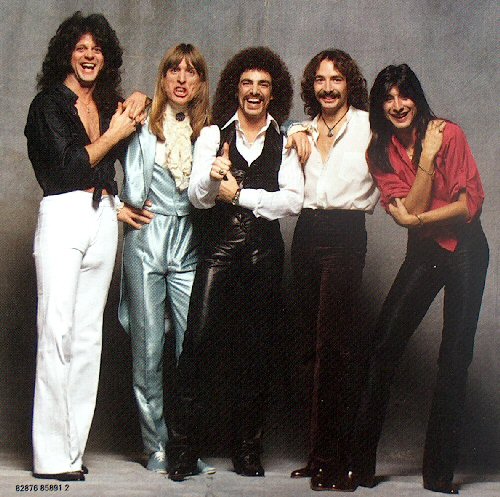
 See, the album is called 'Stay Positive'.
 Get it? Journey? 'Don't Stop Believing'? Anyone!?
Think big, but don't go shouting about how good your guild is at first. People tend to be more impressed by your achievements when you're humble about them. Likewise, remember your priorities. What's good about perfecting a flashy website when you could be motivating and recruiting people in-game? What good is a forum and thorough manifesto if there's no one interested in reading them? Perhaps the easiest way to keep a good thing going is simply to do the first things first, and worry about all the details later. Plough on through any rough patches, and keep your chin held high.
I accept that many of you will be positive thinkers already. When you start a guild, you realise that you're going to surround yourself with hundreds of strangers every day. Despite the huge potential for things to go wrong, the vast majority of guild leaders have an optimistic attitude, for at least the first few days. This is known as the 'Honeymoon Period'. No matter how many guilds you've been in or lead in the past, starting a new one is always an exciting prospect. Unless you're a boring twat bent on repeating the mistakes of the past, then every new guild will be initially good because it's new. While there's lots of potential for things to effectively fuck up, there's also potential for things to go right. This high energy stems from your own fresh positivism. It's retaining that atmosphere which is the difficult part and failure to do so is what causes problems. Hopefully this article will be helpful in demonstrating some ways of how to avoid issues ever occurring after the Honeymoon Period ends.
 See, the album is called 'Stay Positive'.
Positive reinforcement.
Promote people who show optimism and make sure your inner circle of officers share your vision to the letter. Rewarding those who dedicate themselves to the guild's future, whether it be with gold, attention or rank, is a great way to form a power base. This way you are insuring that anyone who does speak negatively against you without good reason is pushed aside. I know a few people who are stuck in crap guilds but are afraid to speak out and inform the leadership just how shit their establishment is. Why? Because everyone else has been successfully conditioned into maintaining a ridiculously positive mindset no matter what. They've seen, first hand, that people who disrupt the peace are punished. Remember that your real power over members may deteriorate over time (hey, you need them to fill raid groups!), but they can still be duped into believing you're as strong as ever. This isn't really immoral, but it is definitely down to you presenting a good, congruent image at first. Rewarding those who you like means they'll defend your honour and the guild, even when things are going badly or you're not even around.
Don't make promises you can't keep.
I know it seems an obvious point to make, but really. Consistency is key when trying to make a new set of people trust you, and not following through with what you say is a way to get disliked easily. We all snigger when we see new guilds recruiting people on the premise they'll be getting a bank soon. These types of promises appear trivial at face value, but at least the majority of such guilds fulfil them. Compare this to some of the overly ambitious idiots who claim that their guild will be the best by 2010. Which are you more likely to believe and trust? I've seen folks promise their members stuff which was basically unachievable at the time. Then, as you may expect, their members proceeded to call them out on such bullshit. This leads to a silly 'Boy Who Cried Wolf' scenario where the leader keeps promising more and more stuff in a vain effort that it will somehow buy back the loyalty of their troops. It doesn't work. In these situations, it's best to admit your mistake (either privately or publicly) and move on. A realistic guild leader won' make idiotic goals in the first place. Stop believing that just because you talk big, the guild will become big. It doesn't just work like that.
Don't stop believing.
No, I don't want to take the midnight train to anyywheeere. I do want you all to realise that people are more likely to believe your ideas if you already do. I've come up with some strange ideas in the past, but because my frame of mind was so strong, others went along with it. People can tell whether you're truly passionate about something, or just in it for the loot – even on the Internet. This is not permission to mouth off about how your guild is the greatest ever, and remember that modest, realistic aims will do you a heap of good. Keep your own emotions high, but bare in mind that if you start talking the talk, then walk the walk.
 Get it? Journey? 'Don't Stop Believing'? Anyone!?
Think big, but don't go shouting about how good your guild is at first. People tend to be more impressed by your achievements when you're humble about them. Likewise, remember your priorities. What's good about perfecting a flashy website when you could be motivating and recruiting people in-game? What good is a forum and thorough manifesto if there's no one interested in reading them? Perhaps the easiest way to keep a good thing going is simply to do the first things first, and worry about all the details later. Plough on through any rough patches, and keep your chin held high.
In summary:
Positive energy will be the thing that motivates all your members until you start producing results – whether they be in the form of loot, battleground wins or RP events.
Optimists should be praised.
Don't make idiotic, out-of-reach promises.
Keep your priorities relevant.
[IMG CRZ GO 2: 'Dese folks and here.]
Friday, 3 April 2009
Attachments
Recruiting is easy. Provided you follow one of the many recommended techniques in my article and use your own skills effectively, the people that you want to join should come flooding in. It's a simple process and this explains why the shittest guild on your server is still able to get members. The most difficult task you’ll face with new recruits is trying to get them to form an attachment to the guild. When people have a connection to a cause they feel strongly about, or a group of people who are worth caring for, they are more likely to contribute and fight for that particular set of ideas. Attachment has been used as a technique to secure bonds between people for thousands of years, and still applies to family units today – right from birth. One of the key ideas behind a child establishing such a connection with a mother is that the former can provide for the latter during her old age. With the advent of retirement homes, this relationship has really turned into a one-way street, namely with the mother caring for the child during the early years of its life, without any real return later on.

Should you expect some sort of material payback from members once a connection has been established? That’s up to how you feel. Depending on how nice they are, you may receive gifts of gold and a selection of valuable items. Then again, most members will do nothing more to show their appreciation than occasionally speak in guild chat and show up for raids or other events. You must understand that, although you’ll try to create positive feelings between everyone in the guild, all members will react differently. Some people will perceive themselves worth more than they actually are, and consider simply logging on each day to be a privilege to you. Others will see being in the guild as a great pleasure, freely giving up their time and gold at any opportunity to help you out. Usually, if people have not had to go through some sort of application process, they’ll act the first way. Consider that you’ll get stubborn or more willing people no matter where you go. Even if you’re in the strictest and elitist guild on the server, be assured that there’s likely to be a few kind-hearted souls in there, but also some people who will turn up just for raiding. People like to think they’re unique and display behaviour that hopefully make us believe that they are. Despite this, there are still some strategies you can apply to get everyone involved and rooting for the guild.
 Not sure what this picture has to do with anything, but I thought LAG needed some more sex.
The first step is getting members to relate to you. When they join, it’s likely they’ll have just been forced into a new community they know nothing about. Their only friends in this brave, new world will either be their referees and friends already in the guild, or you. Building a connection immediately is essential, as it's within the first few days of joining that they’ll build their impression of the guild, and decide if they wish to stay or not. If you are not clear on the goals of your guild when initially recruiting, it is likely that new members will find themselves joining under incorrect perceptions. When finding that they want something from the game that you can’t offer as a guild, they will quit regardless of how deep the connection you build with them is. Prevent this from running by the main points of your guild’s overall plan to any new members.
 'Right folks, we attack Durotar from here, here and here.'
'Sir, that's a picture of England and France.'
Don’t be afraid to approach people individually. This attribute will prove it's worth when it comes to actually applying the following steps, but always bear in mind that it’s better to approach people separately, in private, than within full view of everyone else. Not everyone is as confident as yourself and bringing unnecessary attention to people who don’t really like it will annoy them. Discretion is always important. Whether you’re disciplining someone, or giving them praise, there is no reason to make it a huge thing that involves all of guild chat. Certainly, it’s one thing to make an example out of a situation, but it;s another to go through the process every time someone pisses you off, or does the opposite. Embarrassing someone in front of the guild, no matter what the reason, will bring negative results.

Making large gestures of love to all new guildies may seem like a good idea, but sometimes a more subtle approach is needed. Try some of the following strategies and see how they work out for you.

Should you expect some sort of material payback from members once a connection has been established? That’s up to how you feel. Depending on how nice they are, you may receive gifts of gold and a selection of valuable items. Then again, most members will do nothing more to show their appreciation than occasionally speak in guild chat and show up for raids or other events. You must understand that, although you’ll try to create positive feelings between everyone in the guild, all members will react differently. Some people will perceive themselves worth more than they actually are, and consider simply logging on each day to be a privilege to you. Others will see being in the guild as a great pleasure, freely giving up their time and gold at any opportunity to help you out. Usually, if people have not had to go through some sort of application process, they’ll act the first way. Consider that you’ll get stubborn or more willing people no matter where you go. Even if you’re in the strictest and elitist guild on the server, be assured that there’s likely to be a few kind-hearted souls in there, but also some people who will turn up just for raiding. People like to think they’re unique and display behaviour that hopefully make us believe that they are. Despite this, there are still some strategies you can apply to get everyone involved and rooting for the guild.
 Not sure what this picture has to do with anything, but I thought LAG needed some more sex.
The first step is getting members to relate to you. When they join, it’s likely they’ll have just been forced into a new community they know nothing about. Their only friends in this brave, new world will either be their referees and friends already in the guild, or you. Building a connection immediately is essential, as it's within the first few days of joining that they’ll build their impression of the guild, and decide if they wish to stay or not. If you are not clear on the goals of your guild when initially recruiting, it is likely that new members will find themselves joining under incorrect perceptions. When finding that they want something from the game that you can’t offer as a guild, they will quit regardless of how deep the connection you build with them is. Prevent this from running by the main points of your guild’s overall plan to any new members.
 'Right folks, we attack Durotar from here, here and here.'
'Sir, that's a picture of England and France.'
Don’t be afraid to approach people individually. This attribute will prove it's worth when it comes to actually applying the following steps, but always bear in mind that it’s better to approach people separately, in private, than within full view of everyone else. Not everyone is as confident as yourself and bringing unnecessary attention to people who don’t really like it will annoy them. Discretion is always important. Whether you’re disciplining someone, or giving them praise, there is no reason to make it a huge thing that involves all of guild chat. Certainly, it’s one thing to make an example out of a situation, but it;s another to go through the process every time someone pisses you off, or does the opposite. Embarrassing someone in front of the guild, no matter what the reason, will bring negative results.

Making large gestures of love to all new guildies may seem like a good idea, but sometimes a more subtle approach is needed. Try some of the following strategies and see how they work out for you.
Send them gifts.
When someone is performing well in a guild, or simply seems to have settled down well, it's good to send them gifts. Don't shower them like they're the son of God, but sometimes an appropriate, charming item in the mail will really cheer them up. Yeah, they can probably use the guild bank to draw something out at their convenience, but giving them something directly with no need for any implied repayment helps reach out and connect with good members.
Cut down on ‘grats’ spam.
Initially, wishing someone congratulations when they level or gain an achievement will seem like a great way to promote positivity. Too much can cause the opposite effect, however. Some people don't like to be embarrassed by people commenting on every little thing they achieve and others may find it annoying that someone is praised for reaching level 10 on their alt. You may not totally condemn such behaviour, but I'd definitely promote cutting down on it.
Don’t be afraid to make nicknames.
Avoid patronising nicknames, like calling someone of a low-level 'n00bie' or 'lower' or something. For your officers, maybe even branch out into calling them based off their playing style, personality and class. 'Snake' would fit really well with someone who is sly and manipulative, or just likes Metal Gear Solid. 'Lion' for a natural leader who displays loyalty to the guild, or they may even just have bushy hair. You can read as far into this as you wish. In the end, giving nicknames make you seem playful and helps your members simply like you more. Just draw a line if people start calling each other negative names with no real explanation.
Remember that the ultimate goal of all this is to build up an open, community atmosphere from the word 'go', without having to reduce yourselves to team-building activities (a la Severance). I encourage you to try all of the techniques listed, but sometimes a member will simply not catch on and invest themselves back into the guild. I guess the best you can hope for in this situation, is that they eventually change their minds over time and fall in love with the guild naturally. Just bare in mind Eleanor Roosevelt's famous line, 'Don't spend major time with minor people'. Learn to judge if people can be bribed into being committed to your guild and leave them alone if they can't.
The final tip in this section is about what you should be feeling. Although a good guild leader will go to just about any lengths to get their members friendly with one another, it is important he or she never becomes too attached to one particular individual. Think of this mindset as the 'Nursing Home Manager' complex. Pretend you're actually running a centre for the very elderly or terminally ill. Yes, make their time as thoroughly enjoyable and comfortable as possible, but always remember that they can be taken away at any moment, either through their own choice or powers beyond their control. You should always mourn the passing of an officer or active member (and even ask them why they left), but learn to simply not worry if a randomer leaves and refuses to comment on exactly why. Sometimes people are just arseholes. Do worry if people begin leaving in their droves. You should actively seek out the problem and find a solution immediately if this occurs.
Never react in a way that could potentially harm the reputation of your guild further. If you take some time to gather your thoughts and approach the leaver with respect and compassion, its worth the delay. However, if your blood just boils in the time between them leaving and you questioning them, then I encourage you to make any post-guild conversation as brief as possible, or don't have one at all. Sometimes it's better to simply let go than to satisfy your curiosity. Don't sweat the petty things, and don't pet the sweaty things.
To summarise:
Creating some sort of relationship with all guild members is essential if your guild hopes to survive in the long run.
Approaching people to get them involved on a personal level is more effective than constantly broadcasting the need to communicate with each other in guild chat.
Shitty gifts are better than no gifts!
Shitty nicknames are not better than no nicknames!
Pointless 'grats' spam is not really that productive.
Have your members be attached to you, but remember the 'Nursing Home Complex'; they could be taken away at any time.
As we've seen in the 'Professionalism' article, being indifferent is better than being a flaming ball of rage.
Subscribe to:
Posts (Atom)

 Posts
Posts